Trusted DOH & HPD Lead Violation Removal in NYC-- Secure Your Residential property
Step-by-Step Refine for Successful Lead Offense Removal
Following this, adherence to federal and state laws is vital to formulating a reliable remediation strategy. The actual removal needs experienced employees to execute these strategies while strictly adhering to security methods. What happens after the remediation is finished?
Discovery and Assessment
Detection and analysis are crucial action in the remediation of lead infractions. To make certain an efficient removal process, it is vital to perform an extensive examination of the atmosphere where prospective lead direct exposure exists. The initial phase of detection involves determining resources of lead contamination, which can be located in paint, pipes, soil, and dirt. Making use of advanced diagnostic devices such as X-ray fluorescence (XRF) analyzers and atomic absorption spectroscopy (AAS) can give precise measurements of lead concentrations.
This consists of examining the degree and seriousness of contamination, as well as identifying populaces at danger, especially children and expectant ladies. The gathered information need to be thoroughly documented to sustain the advancement of an efficient remediation approach.
Furthermore, it is imperative to focus on areas with the highest degree of contamination and those that position the best wellness dangers. Effective interaction with stakeholders, including homeowner, citizens, and public health authorities, is important for guaranteeing that all events are notified concerning the findings and the succeeding steps needed for remediation. This preliminary detection and evaluation stage prepares for an effective lead infraction removal procedure.

Lawful and Regulative Compliance
Browsing the landscape of legal and regulatory conformity is a critical aspect of effective lead violation removal. Compliance makes certain not just the safety of damaged populations yet likewise the credibility and lawful standing of the organization liable for remediation. Rules governing lead contamination are complex, encompassing government, state, and local regulations. At the federal level, the Environmental Security Agency (EPA) establishes stringent requirements under the Toxic Compounds Control Act (TSCA) and the Lead-Based Paint Renovation, Repair Service, and Painting Guideline (RRP Regulation)
This entails careful paperwork of all remediation activities to show conformity. Failure to adhere to these regulations can result in extreme fines, consisting of significant fines, lawful activity, and reputational damage.
Involving lawful professionals specialized in ecological regulation can assist in navigating these intricacies. Routine training and certification for all personnel entailed in the remediation process are additionally compulsory to make sure adherence to safety and governing requirements. By prioritizing lawful and regulatory conformity, organizations can effectively minimize dangers and achieve an effective remediation result.
Planning the Removal
Efficiently intending the remediation of lead offenses begins with a thorough evaluation of the contaminated website. This initial evaluation should Discover More Here include a detailed site examination to identify the level and concentration of lead contamination. Comprehensive sampling and research laboratory analysis are extremely important to create a precise contamination account. This data-driven approach makes sure that removal efforts are properly targeted and reliable.
As soon as the contamination is mapped, a risk evaluation must be performed to evaluate potential health and wellness threats to human beings and the setting. Lead Violation Removal in NYC. This analysis must consider elements such as direct exposure pathways, population susceptability, and ecological influences. The insights collected will certainly form the basis for choosing a proper remediation approach
Subsequently, setting clear, possible goals for the removal job is critical. These purposes should align with regulative criteria and stakeholder assumptions to make certain conformity and area approval. Creating a thorough removal strategy that details techniques, timelines, and source allowance will help with a structured approach to the cleanup procedure.
In addition, it is vital to involve with stakeholders early and keep transparent communication throughout the planning stage. This includes informing local areas, getting needed licenses, and coordinating with governing companies to guarantee all legal and step-by-step i thought about this demands are met. A well-crafted removal strategy not only addresses the contamination properly but additionally constructs count on and cooperation amongst all celebrations involved.
Implementing the Remediation
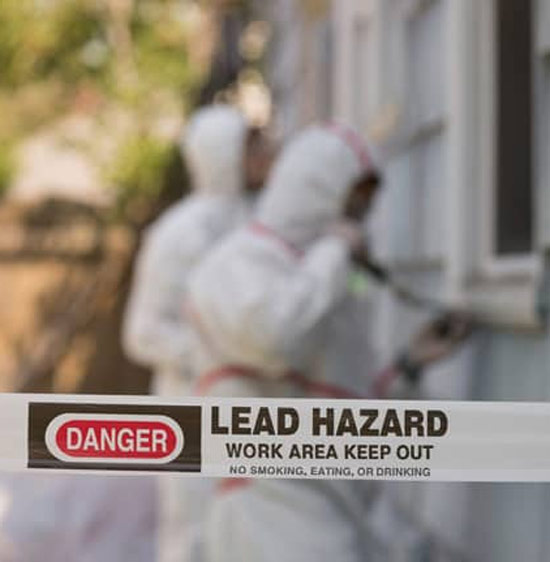
With a well-structured remediation strategy in place, the emphasis moves to the real execution of the removal activities. This stage includes mobilizing the needed resources, consisting of competent personnel, specific equipment, and top notch materials. Begin by plainly delineating functions and duties to make certain liability and seamless control among staff member.
This consists of establishing up containment locations to stop lead dirt and particles from dispersing, as well as using air filtration systems to preserve air high quality. Use approaches such as damp scraping, chemical removing, or encapsulation, depending on the extent and place of the contamination.
Throughout the remediation procedure, conduct routine assessments and air high quality monitoring to ensure compliance with regulatory standards. Effective interaction with stakeholders, consisting of homeowner and passengers, is critical to maintain them notified of development and any unforeseen developments. By diligently adhering to these steps, the remediation activities can be carried out effectively and successfully, eventually mitigating lead risks.
Post-Remediation Methods
Post-remediation methods play a crucial role in ensuring the long-term success of lead violation removal initiatives. These strategies include ongoing monitoring, upkeep, and community education and learning to avoid future lead exposure and make certain a secure environment.
First, routine surveillance is essential. This involves routine testing of the previously affected areas to guarantee that lead degrees remain within risk-free limits. Building proprietors click here for more need to establish a schedule for these tests, ideally in collaboration with qualified environmental professionals.

Third, informing the community plays a critical function in maintaining the advantages of remediation. Citizens and residential property supervisors must be informed regarding the risks of lead exposure and the most effective practices for maintaining a lead-safe setting. Workshops, informational handouts, and community meetings can be reliable devices for distributing this information.
Final Thought
Successful lead violation remediation needs an extensive, organized method including detection and evaluation of contamination, adherence to legal and regulative requirements, careful planning, and effective implementation of removal initiatives. This methodical process underscores the significance of thoroughness and caution in attending to and mitigating lead contamination.